Buy speechtherapist.eu ?
We are moving the project
speechtherapist.eu .
Are you interested in purchasing the domain
speechtherapist.eu ?
domain@kv-gmbh.de · 0541-91531010
Buy speechtherapist.eu ?
Which muscle relaxants are suitable during breastfeeding?
Muscle relaxants that are considered safe to use during breastfeeding include acetaminophen (Tylenol) and ibuprofen (Advil, Motrin). These medications are generally considered safe because only small amounts are excreted into breast milk and they are unlikely to harm the nursing infant. However, it is always best to consult with a healthcare provider before taking any medication while breastfeeding to ensure it is safe for both the mother and the baby. **
Which muscle relaxants are used for an SI joint block?
The most commonly used muscle relaxants for an SI joint block are typically a combination of a local anesthetic, such as lidocaine or bupivacaine, and a corticosteroid, such as triamcinolone. These medications are injected directly into the sacroiliac joint to reduce inflammation and provide pain relief. The local anesthetic provides immediate pain relief, while the corticosteroid helps to reduce inflammation and provide longer-lasting relief. These medications are often used in combination to maximize their effectiveness in treating SI joint pain. **

Similar search terms for Muscle relaxants
Top-Angebote
Products related to Muscle relaxants:
-
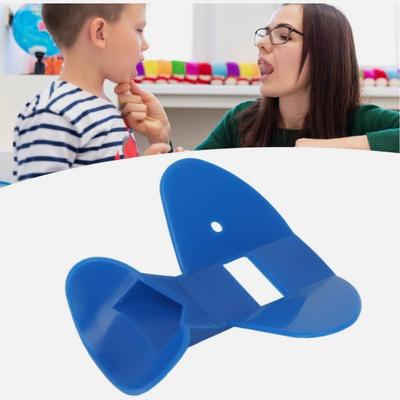
Friendly Fresh Finds Plastic Nose Whistle For Nasal Breathing & Oral Muscle Training Nose Flute Pronunciation Trainer whiteTake your breathing and pronunciation skills to the next level with this innovative nose flute trainer. Designed for anyone looking to improve their nasal breathing and oral muscle control, this tool is a musthave for speech therapists, language...29,97 $*Shipping: 0,00 $Secure redirect to the provider
-
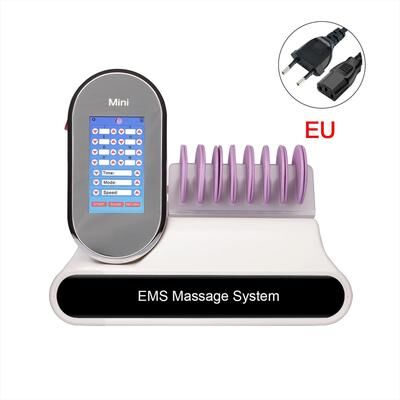
Inspire Select EMS Muscle Stimulator Machine With TENS Therapy Electric Muscle Toning & Pain Relief Device For Full Body Training eu PlugTone, strengthen, and recover more effectively with this advanced EMS muscle stimulator designed to support muscle conditioning and everyday wellness. Combining TENS muscle stimulator technology with electrical muscle stimulation, it helps activate...605,97 $*Shipping: 0,00 $Secure redirect to the provider
-
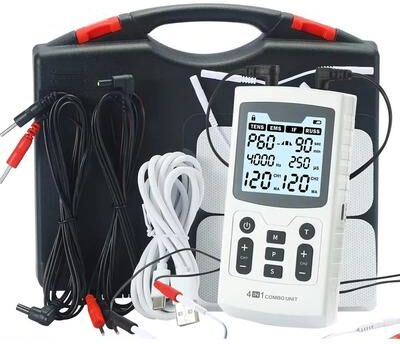
Uplift Essentials Electric Muscle Therapy Stimulator Physiotherapy Device blackExperience professionalgrade pain relief and muscle conditioning at home with the Electric Muscle Therapy Stimulator Physiotherapy Device. Featuring TENS, EMS, IF, and RUSS modes, this advanced highfrequency machine delivers customized physiotherapy...147,97 $*Shipping: 0,00 $Secure redirect to the provider
-
Friendly Fresh Finds Plastic Nose Whistle For Nasal Breathing & Oral Muscle Training Nose Flute Pronunciation Trainer yellowTake your breathing and pronunciation skills to the next level with this innovative nose flute trainer. Designed for anyone looking to improve their nasal breathing and oral muscle control, this tool is a musthave for speech therapists, language...29,97 $*Shipping: 0,00 $Secure redirect to the provider


-
What are pronunciation problems and articulation problems?
Pronunciation problems refer to difficulties in producing the sounds of a language accurately, which can result in miscommunication or difficulty being understood by others. This can include issues with specific sounds, stress patterns, or intonation. Articulation problems, on the other hand, specifically refer to difficulties in physically producing the individual speech sounds, such as substituting one sound for another, omitting sounds, or distorting sounds. Both pronunciation and articulation problems can impact an individual's ability to effectively communicate in a language. **
-
Can language fluency be learned?
Yes, language fluency can be learned through consistent practice, exposure, and immersion in the language. By actively engaging with the language through speaking, listening, reading, and writing, individuals can improve their fluency over time. Additionally, seeking out opportunities to interact with native speakers and using language learning resources such as classes, apps, and online tools can also contribute to developing fluency in a new language. While it may take time and effort, with dedication and perseverance, language fluency can certainly be achieved. **
-
Muscle soreness or muscle strain?
Muscle soreness is a common condition that occurs after engaging in physical activity, typically due to micro-tears in the muscle fibers. It is usually a temporary discomfort that can be alleviated with rest, hydration, and gentle stretching. On the other hand, a muscle strain is a more serious injury that involves the stretching or tearing of muscle fibers. It can cause significant pain, swelling, and limited range of motion, requiring medical attention and possibly physical therapy for recovery. It is important to differentiate between muscle soreness and muscle strain to determine the appropriate treatment and prevent further injury. **
-
Muscle soreness or muscle tear?
Muscle soreness is a common condition that occurs after intense physical activity and is characterized by discomfort and stiffness in the muscles. It is usually a temporary condition that improves with rest and proper recovery. On the other hand, a muscle tear is a more serious injury that involves the actual tearing of muscle fibers, resulting in pain, swelling, and sometimes bruising. It is important to differentiate between muscle soreness and muscle tear, as a tear may require medical attention and a longer recovery period. **

How long does cognitive behavioral therapy last?
The duration of cognitive behavioral therapy (CBT) can vary depending on the individual and their specific needs. In general, CBT is considered a short-term therapy, typically lasting anywhere from 10 to 20 sessions. However, the length of therapy may be adjusted based on the progress of the individual and the complexity of their issues. Some individuals may benefit from shorter or longer courses of CBT, depending on their unique circumstances. **
How can one improve articulation through voice training?
One can improve articulation through voice training by practicing exercises that focus on enunciating each syllable clearly and accurately. This can include exercises that target specific sounds or words that are challenging to pronounce. Additionally, working on breath control and vocal resonance can help improve overall clarity and precision in speech. Consistent practice and feedback from a vocal coach or speech therapist can also be beneficial in honing articulation skills. **
Top-Angebote
Products related to Muscle relaxants:
-
Uplifted Finds EMS TENS Machine 4 Mode Digital Muscle Stimulator Therapy Unit EMS TENS Machine 4 Mode Digital Muscle Stimulator Therapy UnitMake pain relief and muscle recovery part of your daily routine with this EMS TENS Machine Therapy Unit. Designed for anyone suffering from sore muscles, stiffness, or workout fatigue, it features four modes and nine levels of intensity to adapt to...115,97 $*Shipping: 0,00 $Secure redirect to the provider
-
Uplift Essentials Electric Muscle Therapy Stimulator Physiotherapy Device whiteExperience professionalgrade pain relief and muscle conditioning at home with the Electric Muscle Therapy Stimulator Physiotherapy Device. Featuring TENS, EMS, IF, and RUSS modes, this advanced highfrequency machine delivers customized physiotherapy...147,97 $*Shipping: 0,00 $Secure redirect to the provider
-
Friendly Fresh Finds Plastic Nose Whistle For Nasal Breathing & Oral Muscle Training Nose Flute Pronunciation Trainer whiteTake your breathing and pronunciation skills to the next level with this innovative nose flute trainer. Designed for anyone looking to improve their nasal breathing and oral muscle control, this tool is a musthave for speech therapists, language...29,97 $*Shipping: 0,00 $Secure redirect to the provider
-
Inspire Select EMS Muscle Stimulator Machine With TENS Therapy Electric Muscle Toning & Pain Relief Device For Full Body Training eu PlugTone, strengthen, and recover more effectively with this advanced EMS muscle stimulator designed to support muscle conditioning and everyday wellness. Combining TENS muscle stimulator technology with electrical muscle stimulation, it helps activate...605,97 $*Shipping: 0,00 $Secure redirect to the provider
-
Which muscle relaxants are suitable during breastfeeding?
Muscle relaxants that are considered safe to use during breastfeeding include acetaminophen (Tylenol) and ibuprofen (Advil, Motrin). These medications are generally considered safe because only small amounts are excreted into breast milk and they are unlikely to harm the nursing infant. However, it is always best to consult with a healthcare provider before taking any medication while breastfeeding to ensure it is safe for both the mother and the baby. **
-
Which muscle relaxants are used for an SI joint block?
The most commonly used muscle relaxants for an SI joint block are typically a combination of a local anesthetic, such as lidocaine or bupivacaine, and a corticosteroid, such as triamcinolone. These medications are injected directly into the sacroiliac joint to reduce inflammation and provide pain relief. The local anesthetic provides immediate pain relief, while the corticosteroid helps to reduce inflammation and provide longer-lasting relief. These medications are often used in combination to maximize their effectiveness in treating SI joint pain. **
-
What are pronunciation problems and articulation problems?
Pronunciation problems refer to difficulties in producing the sounds of a language accurately, which can result in miscommunication or difficulty being understood by others. This can include issues with specific sounds, stress patterns, or intonation. Articulation problems, on the other hand, specifically refer to difficulties in physically producing the individual speech sounds, such as substituting one sound for another, omitting sounds, or distorting sounds. Both pronunciation and articulation problems can impact an individual's ability to effectively communicate in a language. **
-
Can language fluency be learned?
Yes, language fluency can be learned through consistent practice, exposure, and immersion in the language. By actively engaging with the language through speaking, listening, reading, and writing, individuals can improve their fluency over time. Additionally, seeking out opportunities to interact with native speakers and using language learning resources such as classes, apps, and online tools can also contribute to developing fluency in a new language. While it may take time and effort, with dedication and perseverance, language fluency can certainly be achieved. **
Similar search terms for Muscle relaxants
-
Uplift Essentials Electric Muscle Therapy Stimulator Physiotherapy Device blackExperience professionalgrade pain relief and muscle conditioning at home with the Electric Muscle Therapy Stimulator Physiotherapy Device. Featuring TENS, EMS, IF, and RUSS modes, this advanced highfrequency machine delivers customized physiotherapy...147,97 $*Shipping: 0,00 $Secure redirect to the provider
-
Friendly Fresh Finds Plastic Nose Whistle For Nasal Breathing & Oral Muscle Training Nose Flute Pronunciation Trainer yellowTake your breathing and pronunciation skills to the next level with this innovative nose flute trainer. Designed for anyone looking to improve their nasal breathing and oral muscle control, this tool is a musthave for speech therapists, language...29,97 $*Shipping: 0,00 $Secure redirect to the provider
-
Friendly Fresh Finds Plastic Nose Whistle For Nasal Breathing & Oral Muscle Training Nose Flute Pronunciation Trainer blueTake your breathing and pronunciation skills to the next level with this innovative nose flute trainer. Designed for anyone looking to improve their nasal breathing and oral muscle control, this tool is a musthave for speech therapists, language...29,97 $*Shipping: 0,00 $Secure redirect to the provider
-
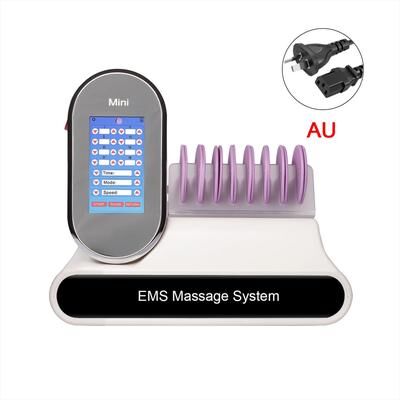
Inspire Select EMS Muscle Stimulator Machine With TENS Therapy Electric Muscle Toning & Pain Relief Device For Full Body Training au PlugTone, strengthen, and recover more effectively with this advanced EMS muscle stimulator designed to support muscle conditioning and everyday wellness. Combining TENS muscle stimulator technology with electrical muscle stimulation, it helps activate...601,99 $*Shipping: 0,00 $Secure redirect to the provider
-
Muscle soreness or muscle strain?
Muscle soreness is a common condition that occurs after engaging in physical activity, typically due to micro-tears in the muscle fibers. It is usually a temporary discomfort that can be alleviated with rest, hydration, and gentle stretching. On the other hand, a muscle strain is a more serious injury that involves the stretching or tearing of muscle fibers. It can cause significant pain, swelling, and limited range of motion, requiring medical attention and possibly physical therapy for recovery. It is important to differentiate between muscle soreness and muscle strain to determine the appropriate treatment and prevent further injury. **
-
Muscle soreness or muscle tear?
Muscle soreness is a common condition that occurs after intense physical activity and is characterized by discomfort and stiffness in the muscles. It is usually a temporary condition that improves with rest and proper recovery. On the other hand, a muscle tear is a more serious injury that involves the actual tearing of muscle fibers, resulting in pain, swelling, and sometimes bruising. It is important to differentiate between muscle soreness and muscle tear, as a tear may require medical attention and a longer recovery period. **
-
How long does cognitive behavioral therapy last?
The duration of cognitive behavioral therapy (CBT) can vary depending on the individual and their specific needs. In general, CBT is considered a short-term therapy, typically lasting anywhere from 10 to 20 sessions. However, the length of therapy may be adjusted based on the progress of the individual and the complexity of their issues. Some individuals may benefit from shorter or longer courses of CBT, depending on their unique circumstances. **
-
How can one improve articulation through voice training?
One can improve articulation through voice training by practicing exercises that focus on enunciating each syllable clearly and accurately. This can include exercises that target specific sounds or words that are challenging to pronounce. Additionally, working on breath control and vocal resonance can help improve overall clarity and precision in speech. Consistent practice and feedback from a vocal coach or speech therapist can also be beneficial in honing articulation skills. **
* All prices are inclusive of VAT and, if applicable, plus shipping costs. The offer information is based on the details provided by the respective shop and is updated through automated processes. Real-time updates do not occur, so deviations can occur in individual cases. ** Note: Parts of this content were created by AI.